
Early
Deadline
September 30, 2026
Judging
Date
May 24, 2027
Winners
Announced
June 10, 2027
The U.S. wine market remains challenging, but new sales data reveals several encouraging opportunities for wineries, importers, sommeliers, and restaurant wine buyers.
According to the latest SipSource report from Wine & Spirits Wholesalers of America, Champagne, Prosecco, and Sauvignon Blanc are emerging as notable growth categories. Higher-priced wines are also proving more resilient, while restaurants, bars and hospitality venues continue to perform considerably better than the retail channel.
These findings suggest that consumers remain willing to spend on wine when it delivers freshness, quality, versatility or a strong connection to an occasion.
Sparkling wine produced some of the most positive results in the latest SipSource data.
Champagne revenue increased 14.7% during the latest three-month period, while Prosecco grew 10.2%. These gains are particularly significant because the overall wine market remains below previous-year levels.
The results show that sparkling wine is no longer restricted to weddings, holidays and formal celebrations. Champagne and Prosecco are increasingly relevant across brunch, aperitif, by-the-glass and other social drinking occasions.
For restaurants, sparkling wine can perform several roles within the same beverage program. It can welcome guests as an aperitif, accompany food throughout a meal, support brunch service, or provide the foundation for mimosas, Bellinis, spritzes, and other sparkling cocktails.
Prosecco delivers familiarity and accessibility, while Champagne can offer premium value and a stronger sense of occasion. Together, the two categories allow sommeliers to build sparkling-wine programs across multiple price points.
Sauvignon Blanc also delivered positive results, with revenue increasing 3.2% during the latest three-month period.
Its performance reflects many of the qualities consumers currently seek: freshness, recognizable flavors, food compatibility, and an approachable style. Guests may not know every producer or region, but many already have a clear expectation of what Sauvignon Blanc will offer.
The variety also performs well across multiple dining occasions. It can accompany seafood, salads, goat cheese, vegetables, lighter pasta dishes and a wide range of Asian and international cuisines.
For sommeliers, Sauvignon Blanc presents opportunities to move beyond the most familiar labels and introduce guests to expressions from California, Washington, New Zealand, Chile, South Africa, France and other regions.
Wine sales remain below previous-year levels, but higher-priced wines are performing more strongly than many lower-priced segments.
SipSource reported that wine revenue trends improve considerably at $16 and above. Wines priced over $50 recorded revenue growth of 0.9% during the latest 12 months.
This suggests that consumers have not abandoned premium wine. They may be drinking less frequently or purchasing more selectively, but they remain prepared to spend when a bottle offers convincing quality, provenance and occasion.
For restaurant buyers, this creates an opportunity to build wine lists around value rather than simply offering the lowest possible price. Premium wines can still perform when the staff understands their stories, can explain what justifies the price, and knows how to recommend them to the right guests.
One of the most important findings for wine brands is the relative strength of the on-premise market.
Combined wine and spirits volumes in restaurants, bars and hospitality venues declined 2.8% during the latest 12 months. By comparison, off-premise volumes fell by a much steeper 7.5%.
The on-premise channel has not yet returned to growth, but it is substantially outperforming retail. This indicates that consumers continue to value beverage experiences when dining out, even as they become more cautious about purchasing bottles for home consumption.
Restaurants also give consumers the confidence to explore wines they might not select in a store. A sommelier’s recommendation, a carefully considered food pairing or an accessible by-the-glass pour can reduce the perceived risk of trying something unfamiliar.
This makes the on-premise channel an important place for wineries to encourage trial, build awareness and establish long-term brand recognition.
The strong performance of Champagne, Prosecco and Sauvignon Blanc raises an interesting question: could brunch become one of wine’s new sweet spots for growth?
All three categories fit naturally into brunch and daytime hospitality. Sparkling wine can be served independently or used in mimosas, Bellinis and spritzes. Sauvignon Blanc offers a refreshing still-wine alternative that can accompany seafood, salads, eggs, vegetables and lighter dishes.
Brunch also allows restaurants to make wine feel relaxed and accessible. Guests who may not order a bottle during the week might choose a glass of Prosecco, a sparkling cocktail or a crisp white wine during a weekend gathering.
Wine brands should consider how their products can support this occasion through suitable formats, by-the-glass programs, brunch pairings and simple serving suggestions.
However, brunch is only part of the opportunity. Aperitif service, happy hour, outdoor dining, tasting menus and other social occasions offer similar potential for sparkling wines and fresh white varieties.
The categories highlighted by SipSource were also strongly represented among the 2026 Sommeliers Choice Awards winners.
Two of the competition’s leading performers demonstrate the style, quality, and commercial relevance that American sommeliers and on-premise buyers are seeking.
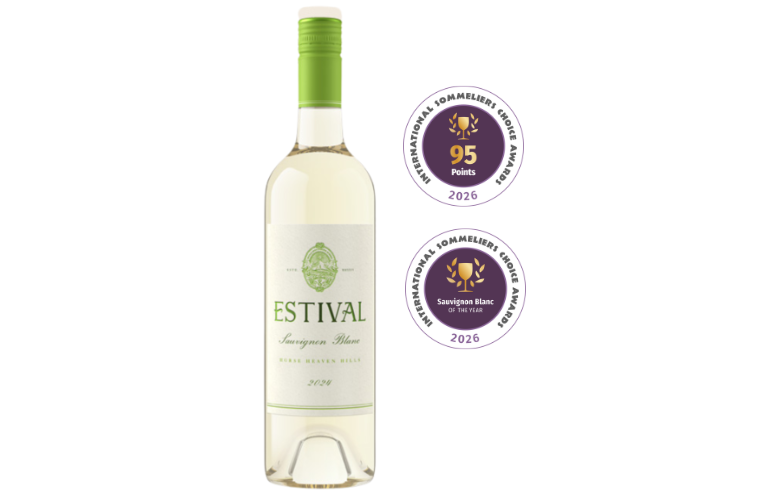
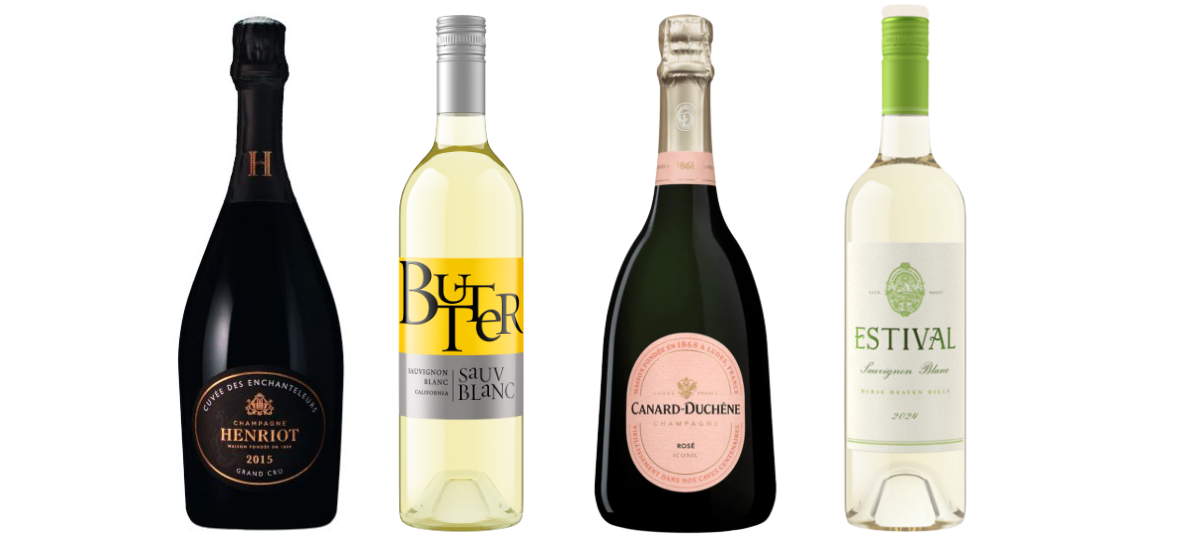
The Estival 2024 Sauvignon Blanc from Ste. Michelle Wine Estates received 95 points, a Gold Medal and the title of Sauvignon Blanc of the Year at the 2026 Sommeliers Choice Awards.
The judges found aromas of pineapple and mango leading to a crisp, balanced palate with subtle fruit and mineral notes. Its combination of freshness, approachable fruit, and clean structure reflects many of the reasons Sauvignon Blanc continues to connect with restaurant guests.
The wine’s versatility also makes it commercially attractive for the on-premise market. It can work as an aperitif, a by-the-glass selection, or a pairing for salads, seafood, fresh cheeses, vegetable dishes, and lighter brunch plates.
It offers sufficient familiarity for mainstream consumers while giving sommeliers opportunities to build pairings and introduce guests to a distinctive expression of the variety.
Estival’s result is particularly relevant in the context of Sauvignon Blanc’s recent revenue growth. It demonstrates how wines delivering freshness, recognizable character and broad food compatibility can capitalize on the category’s current momentum.
The standout Champagne among the 2026 winners was Champagne Henriot Cuvée des Enchanteleurs 2015.
The wine received 97 points and a Double Gold Medal. It was also named Sparkling Wine of the Year, Wine of the Year France, and Best Wine by Package.
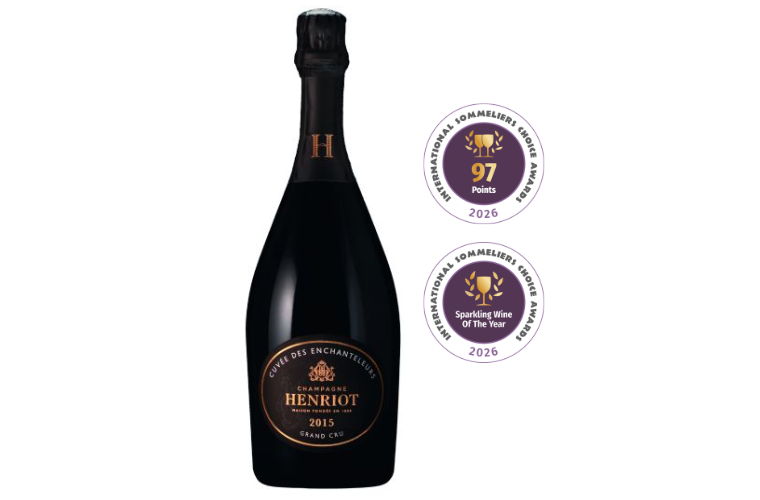
Cuvée des Enchanteleurs won Champagne of the Year at the 2026 Sommeliers Choice Awards with double gold and 97 points.
The judges identified fresh Meyer lemon and brioche on a vibrant palate, supported by bright acidity and a clean, lingering finish.
These characteristics give the wine considerable flexibility within a premium restaurant program. Its citrus freshness can open a meal, while its brioche character and acidity allow it to accompany seafood, shellfish, poultry and richer dishes. It can also serve as a premium choice for tasting menus, celebrations and other special occasions.
Champagne Henriot demonstrated strength across its wider portfolio as well. L’inattendue 2018 earned 96 points and a Double Gold Medal, while Blanc Souverain and Brut Souverain each received 91 points and Gold Medals. The Maison was subsequently named both Sparkling Wine Producer of the Year and Winery of the Year France.
That performance provides relevant context for Champagne’s 14.7% revenue growth. Consumers may be more selective with their spending, but they continue to respond to sparkling wines that combine quality, occasion and a compelling experience.
For sommeliers, Champagne can therefore deliver much more than celebratory value. It can support aperitif service, food pairings, premium by-the-glass programs and profitable upgrades throughout the meal.
The latest data shows that opportunities remain within the U.S. wine market, but growth is not being distributed equally.
Wineries seeking to expand in restaurants and hospitality should clearly explain:
- Where their wines belong on a restaurant list
- Whether they are best suited to by-the-glass or by-the-bottle service
- Which dishes, occasions and consumers they complement
- How they can support brunch, aperitif or social drinking occasions
- Their recommended menu pricing and commercial margins
- Available distribution and supply consistency
- The education and promotional support available to accounts
Restaurant buyers are looking for wines that deliver quality while also making commercial sense. Producers that understand these requirements will be better positioned to secure placements and build lasting relationships with accounts.
The latest SipSource results offer welcome encouragement for the wine industry. Champagne, Prosecco and Sauvignon Blanc are growing, premium wine remains resilient, and the on-premise channel is outperforming retail.
The Sommeliers Choice Awards evaluate wines specifically for this environment. Entries are judged by leading sommeliers, Master Sommeliers, wine directors, and on-premise buyers based on their quality, value, packaging, and ability to perform on a restaurant wine list.
Entrants also receive detailed score breakdowns, constructive feedback, channel-fit guidance, serving suggestions, and recommendations on how to market and sell their wines.
As consumers become more selective, successful brands will be those that combine strong quality with a clearly defined place at the table. The latest market data—and the performance of the 2026 winners—suggest that sparkling wine, Sauvignon Blanc, and occasion-led drinking could help lead the next stage of U.S. wine growth.
Market data source: Wine & Spirits Wholesalers of America—SipSource, July 2026.
Also Read:
Sommeliers Choice Awards Introduces New Single-Serve Wine Awards for 2027
Gaderian Wines: A Napa Valley Brand Built Around Bringing People Together
Bricoleur Vineyards: Where Sonoma Terroir, Culinary Craft, and Purpose-Driven Winemaking Converge
Discover the top wines recommended for restaurants, wine lists, and by-the-glass programs by leading sommeliers, wine directors, and hospitality buyers. Explore the award-winning wines recognized for quality, value, and real-world restaurant appeal at the 2026 Sommeliers Choice Awards.