
Warehouse
Close
April 30, 2027
Judging
Date
May 24, 2027
Winners
Announced
June 10, 2027
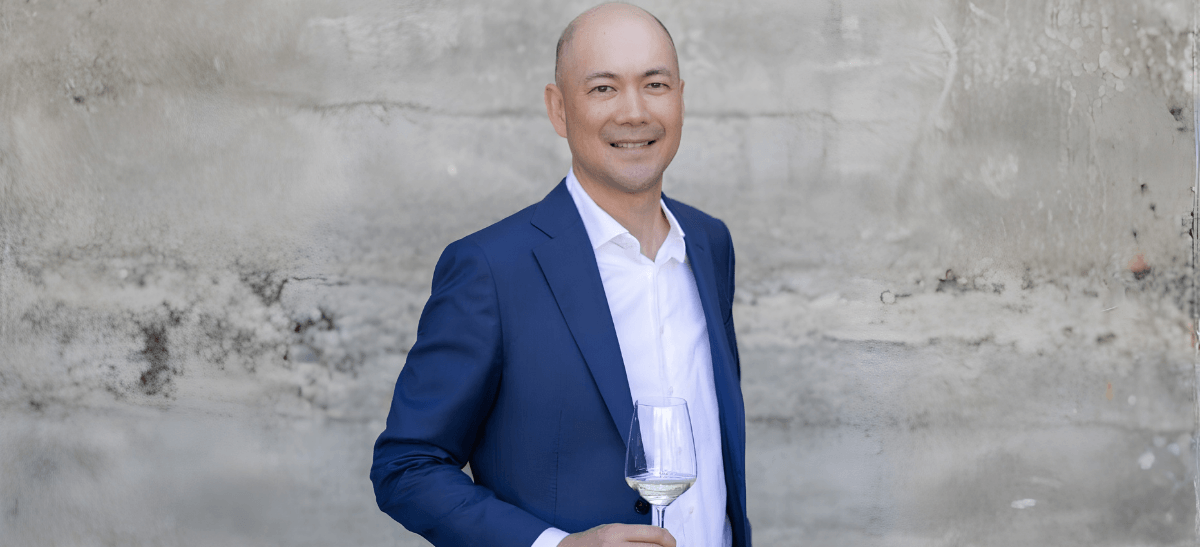
Few wine executives bring together strategic leadership, luxury-brand expertise, commercial insight and advanced wine knowledge as comprehensively as Peter Yeung. Recently appointed CEO of Wente Family Estates, Yeung now oversees the historic California producer’s viticulture, winemaking, global sales, marketing and hospitality operations across a portfolio that includes Wente Vineyards, Murrieta’s Well and Cresta Blanca. His mandate places him at the intersection of heritage and transformation: protecting the values of a multigenerational family business while positioning its brands for sustainable growth in a rapidly changing global wine market. Before joining Wente, Yeung held senior strategy and business-development roles at renowned California wineries Kosta Browne and Realm Cellars. He is also the co-author of the award-winning book Luxury Wine Marketing and co-host of the XChateau Wine Podcast, where he examines the commercial forces shaping the industry.
In this interview, Yeung discusses executive leadership, restaurant relevance, changing consumer expectations, luxury positioning, and what wine producers must understand to earn the confidence of today’s sommeliers.
Wente has such a storied history, with over 143 years, that we often find ourselves looking to the past for inspiration. Continuing to focus on the core Wente brand as the base while re-focusing on what makes Wente special and unique- its history, its great value-for-money wines, and the amazing experiences we can create in Livermore is the core focus.
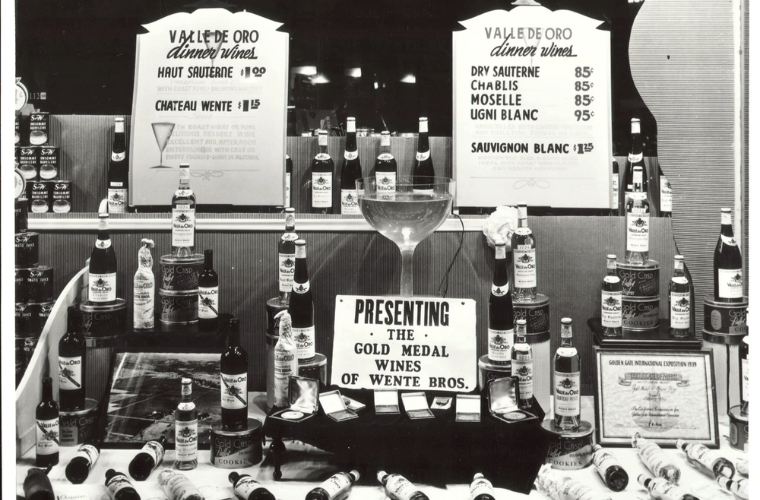
Image: Wente’s Sauvignon Blanc earns a Grand Prize at the 1939 Golden Gate International Exposition. Source: Wente Family Estates
That’s exactly why we had a contest and ended up hiring two social media interns for the summer! To figure out how to translate 143 years of history and make it relevant for the modern consumer. Some historical elements are core to Wente - the Wente Clones of Chardonnay and Sauvignon Blanc, the first to varietally label wines post-prohibition, and the legacy of quality wines that Livermore has dating back to the late 1800s. But adding some humor and fun to it is part of it, which, if you follow our social media, you’ll see. As well as continuing to improve our commitment to sustainability, including a new solar project, and our authenticity and transparency, where you’ll see more of that coming probably early 2027.
Sommeliers need to love the quality of wine first, have brands that consumers recognize and will buy, and also have the unique and often personal stories to tell their guests about the wines. When you add in the last part, and they’ve had direct experiences with the brand, it really enables a more customized and unique guest experience.
Value for money is key to being able to turn in a restaurant. If the wines are too expensive, they’ll just sit on the list and in the cellar and not make the restaurant any money. If the wines represent great value, sommeliers will love to drink them and recommend them. That’s how many regions have become popular, from Beaujolais to Jura to Etna.
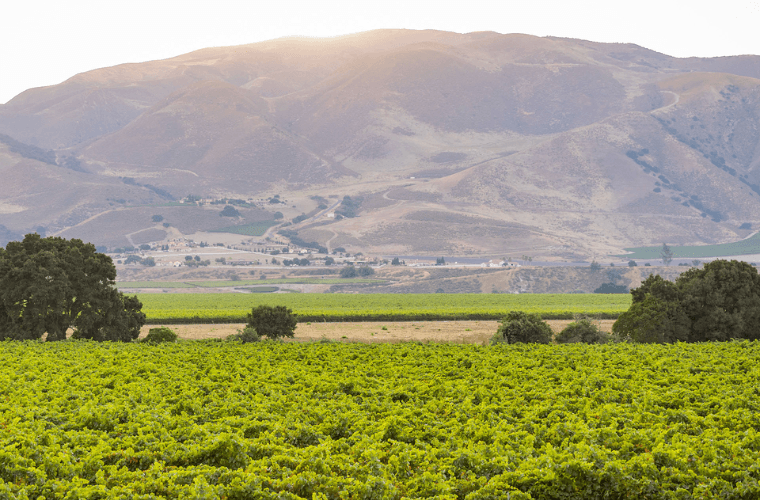
Source: Wente Family Estates
I think that comes down to style, typicity, and the underlying terroir. A consumer in a restaurant is going to want to know what the wine tastes like, how well it goes with the food, and reference to something they are familiar with. The terroir angle helps to underpin those descriptions to make it more tangible and unique for the consumer.
I think value is often underestimated. In a world where restaurants are increasingly relying on alcohol margins to make ends meet, value comes into play in serving great wines, hitting the right price points for consumers, and allowing the restaurants to make enough margin.
Ha, this sounds like my answer to the last question…I think the wine really needs to overdeliver for its price point, but also be priced in a category that can drive sales. A $500 wine on the list might be great value, but there are only a few people and a few occasions that it will fit.
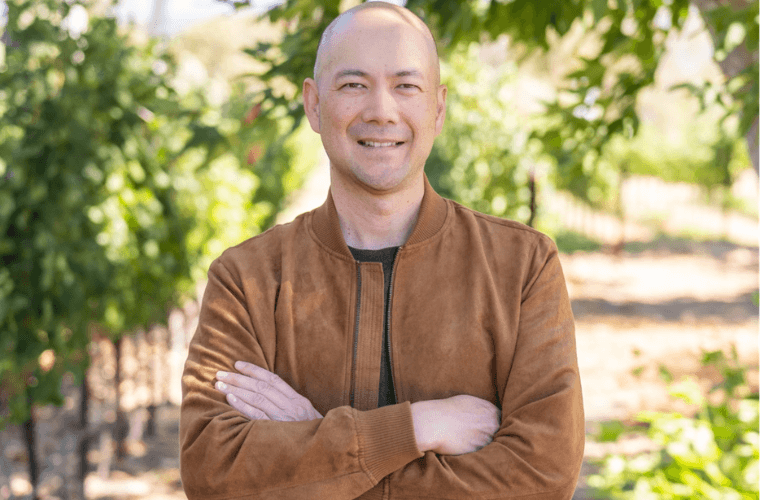
Source: Peter Yeung
Believe it or not, Chardonnay. I think the “Anything but Chardonnay” has gotten a bit overblown and people don’t recognize that Chardonnay comes in a variety of styles, some of which most people will probably enjoy. People also forget that White Burgundy, considered the best white wines in the world, is Chardonnay.
It’s tough; the wine market is hyper-competitive with hundreds of thousands of brands out there. I think being relevant and well known in the marketplace can make a brand an anchor on a wine list that sells. People still often fall back on the brands they know when making buying decisions off the wine list. If they engage the sommelier, they may choose one of those other wines, but that’s the minority of people. The majority are most likely going to choose a wine based on a brand and/or region they know.
Sommeliers can help identify changes in what people are buying at restaurants. Certain styles, varieties, stories, and trends that are working and being requested by consumers vs what the sommelier may be trying to sell. That is valuable market intel for wineries to know about.
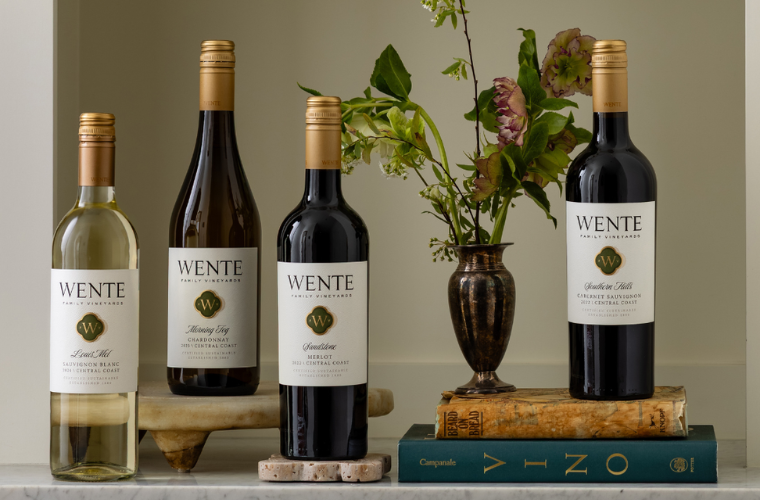
Source: Wente Family Estates
I think AI will make things more efficient across the value chain, from the making of wine all the way to selling it and drinking it. From “smart” farming and better understanding what’s happening in the vineyard, to problem-solving in the winery, to making accounting easier and less repetitive, to helping customers choose the wines they’ll enjoy and want to buy, the possibilities are quite staggering. It’ll be interesting to see what moves ahead the fastest!
I think brand awareness and its value proposition are critical. Being a known, trusted brand with consumers gives them more comfort that they’ll know the quality they’ll get in the glass, as well as the wine director confidence that people will buy it. That and value, enabling profitability for the winery and the restaurant, and being able to be sold for a reasonable price to the consumer is critical to keep the magic cultural of food and wine vibrant in our restaurants.
Peter Yeung’s perspective makes clear that wine leadership requires more than protecting heritage or producing exceptional bottles. It demands commercial discipline, a deep understanding of hospitality and the confidence to challenge established assumptions about luxury, value and consumer preference. His approach to Wente Family Estates reflects a broader opportunity for producers: to remain rooted in identity while becoming more responsive to sommeliers, restaurant buyers and evolving drinkers. As the US wine market becomes competitive, Yeung’s insights offer a timely reminder that long-term relevance will belong to brands that combine authenticity, strategic clarity, operational strength and genuine connection with the on-trade.
Header image source: Peter Yeung
Also Read:
Sommeliers Choice Awards Launches Exclusive On-Premise Buyer Intelligence Report For Entrants
More Feedback and Transparency For Entrants At The Sommeliers Choice Awards
Getting Listed at Sea: Charles Steadman on What Cruise-Line Beverage Buyers Really Want
Discover the top wines recommended for restaurants, wine lists, and by-the-glass programs by leading sommeliers, wine directors, and hospitality buyers. Explore the award-winning wines recognized for quality, value, and real-world restaurant appeal at the 2026 Sommeliers Choice Awards.