
Warehouse
Close
April 30, 2027
Judging
Date
May 24, 2027
Winners
Announced
June 10, 2027
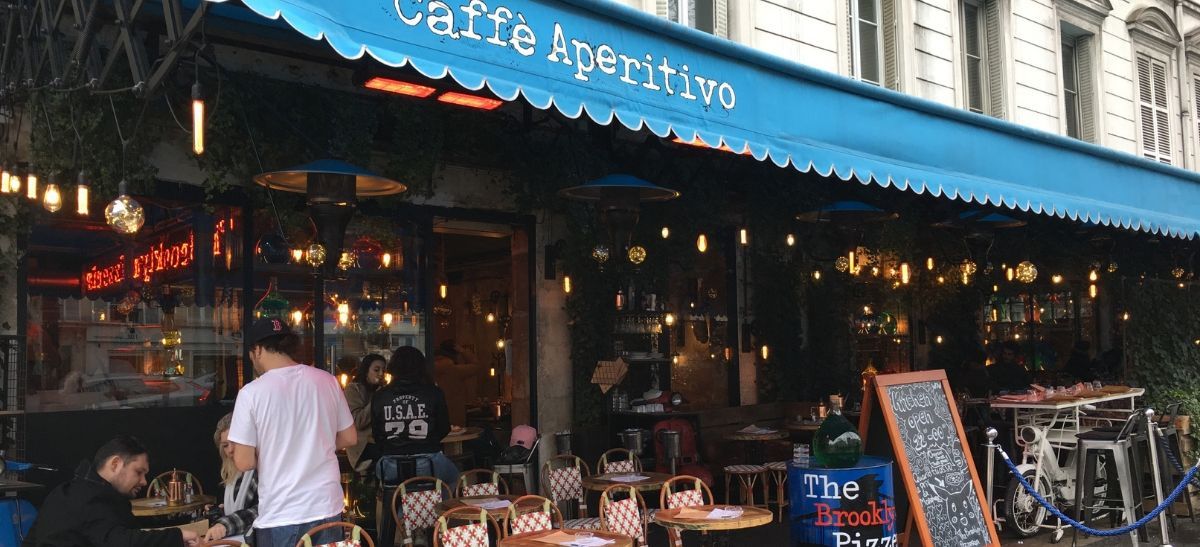
In the drinks business, we often talk about OND—October, November and December—as the most important selling period of the year.
For restaurants, this is when the occasion changes. Corporate dinners begin. Private dining rooms get booked. Families and friends celebrate together. Guests order sparkling wine, buy better bottles, and become more open to recommendations from sommeliers and servers.
For wineries and wine brands, the opportunity is clear. But the planning window is much earlier than many suppliers realize.
You do not start selling for OND in October. By October, you should already be placed, listed, trained, and ready to activate.
We now have approximately six weeks until October 1. If you want your wines to be part of holiday menus, by-the-glass programs, private events or New Year’s Eve packages, the work needs to begin now.
The first call should be to your distributor.
Do not simply ask the distributor to “push the wine for the holidays.” That is too broad, and every brand in the portfolio is likely making the same request.
Arrange a proper planning call with the sales manager and the representatives responsible for your priority restaurant accounts.
Start with the numbers.
How much inventory is available? Which SKUs are in stock? Which restaurants are already buying? Which accounts increased their orders last year? Which restaurant groups are changing their lists? When are their holiday menu and purchasing decisions being made?
Then agree on a target.
That target could be 20 new restaurant presentations, 10 placements, five new by-the-glass accounts, and a specific depletion goal for OND.
If the meeting ends without named accounts, responsibilities and deadlines, there is no real plan.
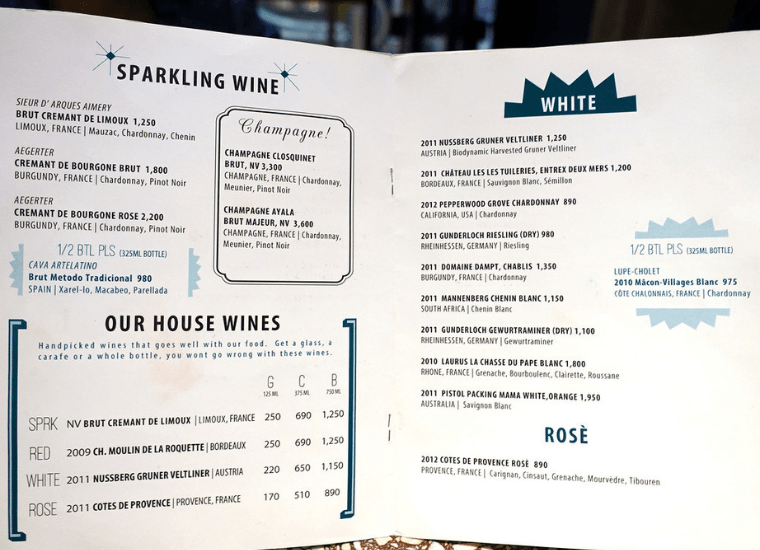
The next step is to decide where your wine genuinely fits.
Not every wine belongs in every restaurant. A premium Cabernet may be right for steakhouses and corporate dinners. An aromatic white could work well with Asian cuisine. A versatile rosé may fit brunch-led hospitality groups. Sparkling wine has obvious potential for celebrations, private dining and New Year’s Eve.
This is what I mean by channel fit.
Make a focused list of restaurants where the price, style, packaging and story of the wine make commercial sense.
Look at three groups.
First, existing accounts that could order more during OND.
Second, current accounts that could give the wine greater visibility through a by-the-glass feature, menu pairing, sommelier selection or private-event package.
Third, new restaurants and hospitality groups that are preparing seasonal menus or holiday programs.
For every account, write down the outcome you want. “Show the wine” is not an outcome. A new listing, a four-case order, a by-the-glass placement or a holiday menu feature is an outcome.
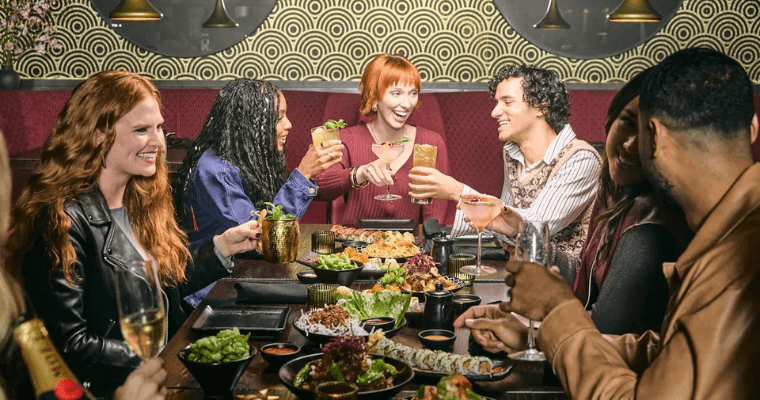
P.F. Chang’s new brand platform centers on the fiery passion of the restaurant chain’s wok-based cooking and warm gatherings around its tables
One mistake I regularly see is that wineries present the same information to every buyer.
The restaurant does not only need to know the wine’s region, vintage and tasting notes. The beverage director needs to understand how the wine will work in the business.
Where should it sit on the list? What should it be paired with? Can it work by the glass? What will the restaurant’s margin be? Which guest is likely to order it? Can it become part of a holiday package?
Your presentation should answer those questions.
Prepare a one-page restaurant sell sheet that includes:
- Wholesale price
- Recommended list and by-the-glass price
- Restaurant margin
- Food-pairing ideas
- Target cuisine
- Serving suggestion
- Ideal guest occasion
- Available inventory
- Holiday program ideas
- Staff-training support
You can also build a holiday offer using case deals, volume pricing, depletion allowances or multi-location incentives where legally permitted.
But price should not be the only reason to buy. Staff training, menu support and a strong program can often create more value than another discount.
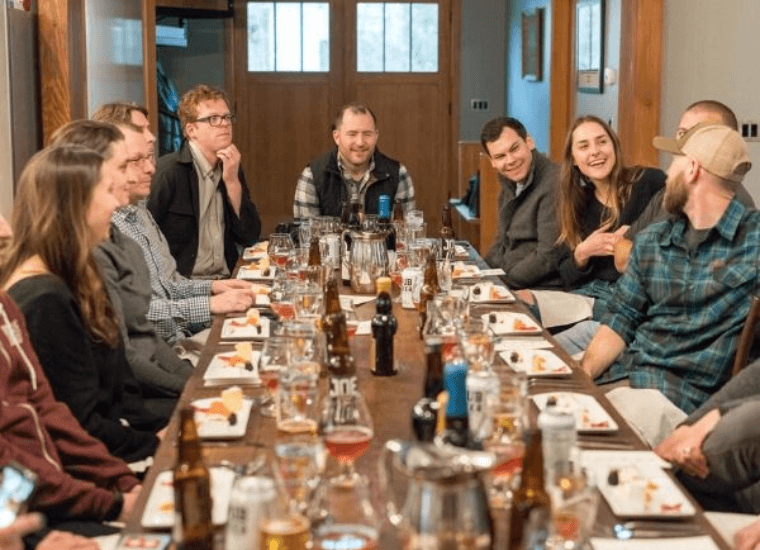
Distributor representatives carry many brands. During the build-up to OND, every supplier wants more attention.
If you want representatives to prioritize your wine, create a short and measurable incentive.
Reward the activities that matter:
- New restaurant placements
- New by-the-glass placements
- Holiday menu features
- Displays or features within restaurant groups
- Cases depleted
- Account reorders
Keep the program easy to understand. Give it a clear start date, finish date, and target.
Just as importantly, make the wine easy to sell. Provide samples, target accounts, pricing, talking points and a short explanation of where the product fits.
The easier you make the representative’s job, the more likely the wine is to be presented correctly.
A standard wine-list placement is valuable, but OND creates many additional opportunities.
Your wine could become part of:
- A Thanksgiving menu
- A corporate dinner package
- A private-dining program
- A seasonal by-the-glass feature
- A sommelier’s holiday selection
- A winemaker dinner
- A Christmas pairing menu
- A hotel banquet package
- A premium bottle promotion
- A New Year’s Eve package
Wineries should ask restaurants what they are planning for the holiday season and then build an offer around that occasion.
Do not just sell the bottle. Help the restaurant create a program.
Getting the wine into the restaurant is only the first part of the job.
The person who sells the wine to the guest is often the server, bartender, or sommelier. If that person does not understand the product, the bottle may remain in the cellar.
The staff does not need a 30-minute presentation on vineyard history. They need a short, usable story.
Give them five things:
1. What is the wine?
2. What does it taste like?
3. Which dish should they recommend with it?
4. Which guest or occasion is it best for?
5. Why should the guest choose it over another bottle?
A good staff training should help the team describe the wine in natural language and sell it confidently within 30 seconds.
If possible, complete these training sessions before October. Once the holiday season becomes busy, it becomes much harder to get the full team together.
Here is how I would structure the next six weeks.
Week 1: Distributor Planning
Confirm inventory, priority markets, key restaurant targets, and OND depletion goals. Assign responsibility for every important account.
Week 2: Account Targeting
Build the restaurant list. Identify existing accounts that can grow, new account opportunities, and restaurants planning holiday programs.
Week 3: Offers and Sales Materials
Finalize pricing, restaurant margins, case programs, food pairings, serving suggestions and holiday program ideas. Prepare samples and sell sheets.
Week 4: Distributor Activation
Launch the sales-representative incentive. Begin restaurant presentations and buyer tastings. Track appointments, samples and follow-ups.
Week 5: Secure Programs
Close wine-list placements, by-the-glass features, private-event listings and holiday menu partnerships. Schedule staff training.
Week 6: Verify Execution
Confirm that the correct wine and vintage have been delivered. Check menu descriptions, pricing, inventory, point-of-sale listings and staff readiness.
By October 1, the brand should be ready to sell—not still preparing its plan.
A case shipped to the distributor is not a consumer sale. A case delivered to the restaurant is also not the final result.
The real measure is depletion and reorder activity.
Track:
- Presentations completed
- New placements
- By-the-glass placements
- Cases delivered
- Weekly rate of sale
- Menu and event features
- Inventory remaining
- Reorders
- Staff trainings completed
October should be used to launch programs and correct execution gaps.
November should focus on Thanksgiving, corporate events, private dining, and early reorders.
December should focus on protecting inventory, supporting the strongest accounts, and preparing separately for Christmas and New Year’s Eve.
If a restaurant is selling through the wine faster than expected, do not wait for the account to run out. Work with the distributor to secure the reorder early.
At the Sommeliers Choice Awards, we ask judges to evaluate wines from the perspective of the on-premise buyer.
Quality matters, but quality alone does not guarantee restaurant success. The wine must also offer food pairability, typicity, value, and packaging that works for its intended market.
This same thinking should guide a winery’s OND strategy.
Do not approach the restaurant with only a bottle and a score. Show the buyer where the wine belongs, how it can be sold, what occasion it supports, and why the restaurant’s guests will order it.
That is how you move from presenting wine to creating business.
The six-week countdown to OND has already started. Call the distributor, choose the right restaurants, and put the plan into action now.
— Sid Patel
CEO, Sommeliers Choice Awards
Also Read:
Sommeliers Choice Awards 2027 Entries Are Now Open
Discover the top wines recommended for restaurants, wine lists, and by-the-glass programs by leading sommeliers, wine directors, and hospitality buyers. Explore the award-winning wines recognized for quality, value, and real-world restaurant appeal at the 2026 Sommeliers Choice Awards.