
Early
Deadline
September 30, 2026
Judging
Date
May 24, 2027
Winners
Announced
June 10, 2027
For decades, South African wine has lingered in an awkward spot on the U.S. wine scene: admired by insiders, yet chronically underrepresented on serious lists. Sommeliers and buyers chasing the next Burgundy or Barolo stand-in often overlook it, framing it as a budget-friendly alternative. But if you choose to look at the silver lining, that perception is shifting, driven by a new generation of producers who prioritize terroir expression, low-yield bush vines, regenerative farming, and a collaborative spirit unseen in many regions.
With wine being a part of a long-lived heritage, it has always had an elitist image shadowing it. It is this very image that seems to be counter-intuitive to wine, more so in today’s market where it fails to capture the attention of those who don’t like to be preached to. We can all agree that quality has never been the issue—it's the positioning. "South Africa's biggest obstacle in the U.S. isn't what's in the bottle; it's how the category gets framed before the wine is poured," says Peter Andrews, founder of Culture Wine Co., a U.S.-based importer focused almost exclusively on South African wines. "Even at the highest levels, these wines get praised as 'good for the price.' That creates a ceiling that's incredibly hard to break."
Andrews speaks from dual experience. Before launching his company, he bought for retailers from indie shops to luxury chains on both coasts. South African wines rarely surfaced in pitches. "Sales reps only brought them if I asked, and usually it was entry-level 'value' stuff," he recalls. "That doesn't showcase what the country can do." It was only when he visited the country for the first time that changed everything. "I was blown away by the quality, diversity, and ambition," Andrews says. "Viticulture there is tough. Low yields, old bush vines, water constraints. I wrote a business plan in two months, returned to South Africa shortly thereafter, and met with nearly 50 wineries. I officially launched my portfolio with nine of those producers."
While the "value-only" label continues to persist, Andrews sees over 100 world-class producers ready to compete globally. "This January, I spent two weeks tasting with dozens of wineries. Every region has standouts that outperform peers elsewhere," he says. "South Africa is the most exciting wine country today. The wines do the talking once in the glass."
Two waves define this progress. The first hit post-1998, when the KWV monopoly crumbled, sparking quality leaps. The second, from around 2015, pushes boundaries further through collaboration. "Competitors share knowledge, equipment, even advice," Andrews notes. "That's fueling the growth."
Proof lands in high-profile spots: Scions of Sinai's low-ABV, crunchy Pinotage pours by-the-glass at Chez Panisse. Michelin-starred lists increasingly spotlight Cape Chenin and Syrah for their vivid site expression over heavy oak.
Despite 2025's tariff-hit volume dips—leaving South Africa at 1% of U.S. imports—Andrews eyes potential to double or triple that share in a decade with stable policy. "Quality keeps rising, and winemakers are hitting stride," he predicts.
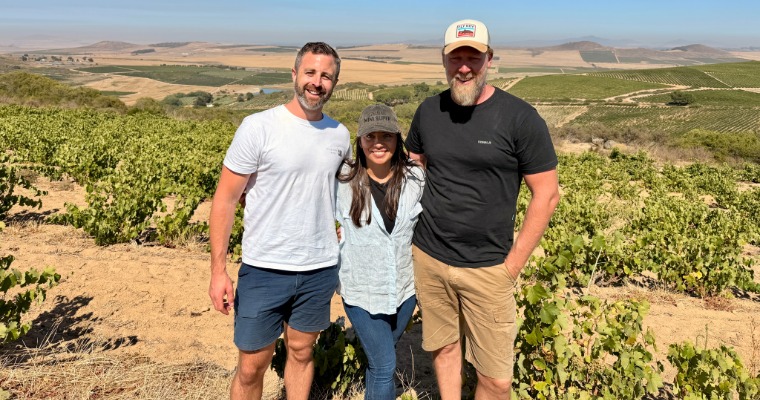
In Frame: Peter Andrews (left)- Founder of Culture Wine Co. and Nuschka de Vos (middle)- Winemaker at Vulpes Wine
Andrews' sales data crowns Chenin Blanc king. South Africa grows nearly 60% of the world's supply, yielding site-driven gems. As Hella Chenin Wine Festival co-founder, he benchmarks globally: "Some of the most exciting, distinctive examples come from here, with precision and generosity perfect for food lists."
Syrah shines next, transparent to terroir across climates. "My goal: Chenin and Syrah from every major region, multiple producers per site," Andrews says. Cool-climate versions bring peppery finesse to lamb or mushrooms; warmer ones offer blackberry depth for braai plates.
Pinotage has transformed. "Early 2000s saw maybe 10 fresh styles; now it's 30," he says. Niche players like Cinsault, Grenache Noir/Blanc, and Colombar deliver gamay crunch or oxidative edge for natural-leaning lists. These are single-site, low-yield wines echoing Burgundy's nuance at accessible pricing, ideal for by-the-glass anchors or flights.
South Africa's dry, windy conditions favor organic and regenerative farming with low disease risk. "Many I work with do this, even pre-certification," Andrews explains. Younger producers nudge older growers: "If you show quality gains, like tighter fruit, brighter acids, consumer convert undoubtedly." Buyers care when it hits the palate. "Sustainability must translate to the glass," he stresses. "Consumers want intention, but wines win lists." Unirrigated bush-vine Chenin or minimal-intervention Syrah deliver vibrant, age-worthy profiles for premium pours.
Swartland leads, but untapped potential abounds. "Bot River and Walker Bay make exceptional wines that stay underrepresented," Andrews flags. Citrusdal and Piekenierskloof craft zesty Chenin and Grenache with alpine snap. Sutherland's 1,450m+ snow-capped elevations promise benchmark Syrah. It is these extremes yield balanced, all-day wines.
It is also to be noted here that curiosity fuels success. "Tastemaker spots, discovery retailers, fine dining, all these initiatives embrace exploration," Andrews says. "I target Michelin lists because these wines compete at that level." Legacy shops tap Gen X or Boomers who've Cape-traveled. But the common pushback? Exposure. "Once tasted, they rarely pass," he counters. Andrews even advises new distributors on how they can tap into the growing potential of South African Wines: Start broad. "Chenin and Syrah from warm/cool sites, plus Cap Classique," he advises. "Build trust first, then chase depth."
In Frame- Brookdale Estate
In order to hook a consumer, buyers need to shift focus to people, place, culture over rote history. "Highlight farming challenges, bush vines, minimal intervention," Andrews urges. Social progress shines: Cape Winemakers Guild Protégé Programme funds Black talents like Kiara Scott Farmer and Shanice du Preez. "Meaningful steps forward," he says, backing it personally.
The wine industry took it hard with the Trump administration levied tariffs, as if it wasn’t already suffering enough. But execution gaps loom larger. "Stop 'value' framing. Even top wines get dinged for undercutting Europe," Andrews warns. "Position these wines by merit: the tough growing sites that demand low-yield bush vines and minimal intervention; the unprecedented collaboration where competitors openly share knowledge, equipment, and insights; and the steadily rising quality that now regularly outperforms global benchmarks. That’s the narrative that belongs on the world’s best lists, not the value for money narrative.”
South Africa offers U.S. on-trade freshness, restraint, authenticity with narrative punch. "It needs reintroduction, but on its own terms," Andrews concludes. "Get them in glasses and the wine itself will ensure that buyers and guests won't look back."
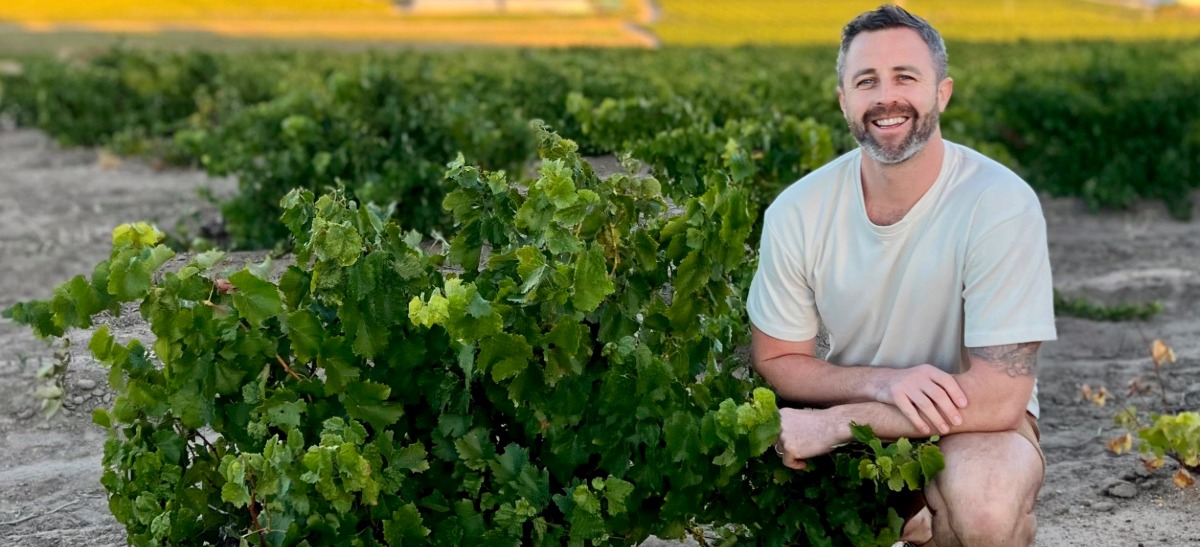
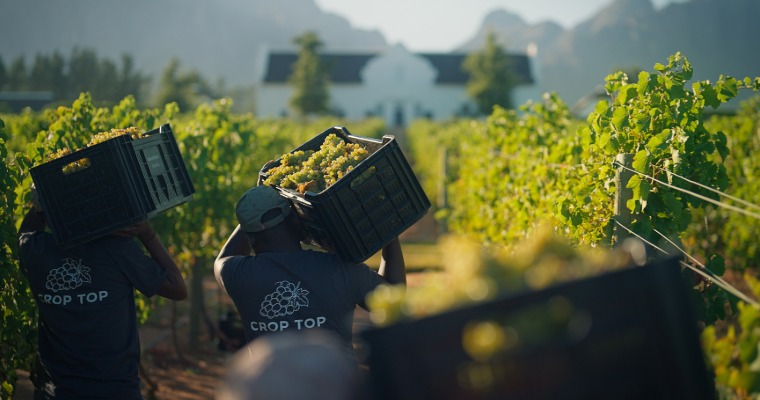
Header image sourced by Peter Andrews.
Discover the top wines recommended for restaurants, wine lists, and by-the-glass programs by leading sommeliers, wine directors, and hospitality buyers. Explore the award-winning wines recognized for quality, value, and real-world restaurant appeal at the 2026 Sommeliers Choice Awards.